
Electrifying a fleet, beyond the vehicle purchase.
Buying electric vehicles is the easy part. The harder, more valuable problem is redesigning the depot, the charging strategy and the energy procurement around them. We map what changes when a fleet goes electric at scale.
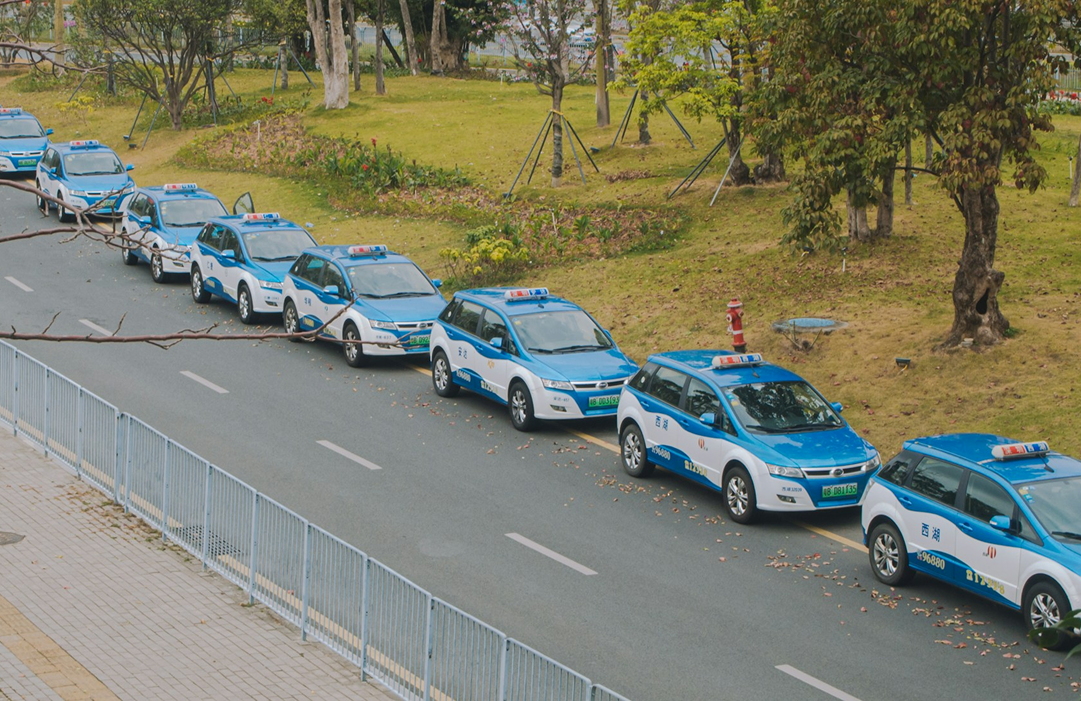
The depot is the new operating constraint
Pre-electrification, a fleet's overnight requirement was a parking yard. Post-electrification, it is a substation with grid-side constraints, charger-side scheduling, and an energy procurement strategy that has to work hour-by-hour, not month-by-month.
Many early fleet deployments hit a wall. They electrified the vehicles without electrifying the depot, ran into peak-demand penalties on day one, and quickly burned the savings the electric kilometres were supposed to deliver.
What good fleet orchestration looks like
It starts with route data. Departure times, route lengths, return-to-depot SoC, and break-window opportunities. Without that, the orchestrator is guessing.
Then it adds tariff, grid carbon, local flexibility opportunities and the depot's connection-agreement constraints. The optimisation problem is to charge every vehicle to the right SoC by the right time, at the lowest cost, while never exceeding the connection envelope.
When run properly, the same fleet that lost money in year one delivers a competitive total cost of ownership in year two, and a revenue stream from flexibility participation in year three.
The next frontier is bidirectional fleets
Fleets are the natural fit for V2G. The vehicles sit still overnight in known locations on a known schedule. That predictability is exactly what flexibility markets value.
Deployment programmes are already proving that a small fleet of bidirectional-capable EVs can earn meaningful flexibility revenue without compromising the morning rota. That capability becomes the multiplier on every other fleet decision.
Electrification done right is an operational discipline.
The fleets that win are the ones that treat electrification as a redesign of the whole operating system, not a like-for-like replacement of diesel with batteries. The orchestration layer is where that redesign actually lives.
Request the full white paper.
Our research team publishes detailed white papers on every topic we cover. Get the full PDF emailed to you with data sources, models and assumptions.
Request the white paper →