
How bidirectional energy is rewriting the grid.
Cars that sell electricity. Heat pumps that follow price signals. Batteries that trade themselves. The next generation of energy assets are no longer passive, and that changes everything.
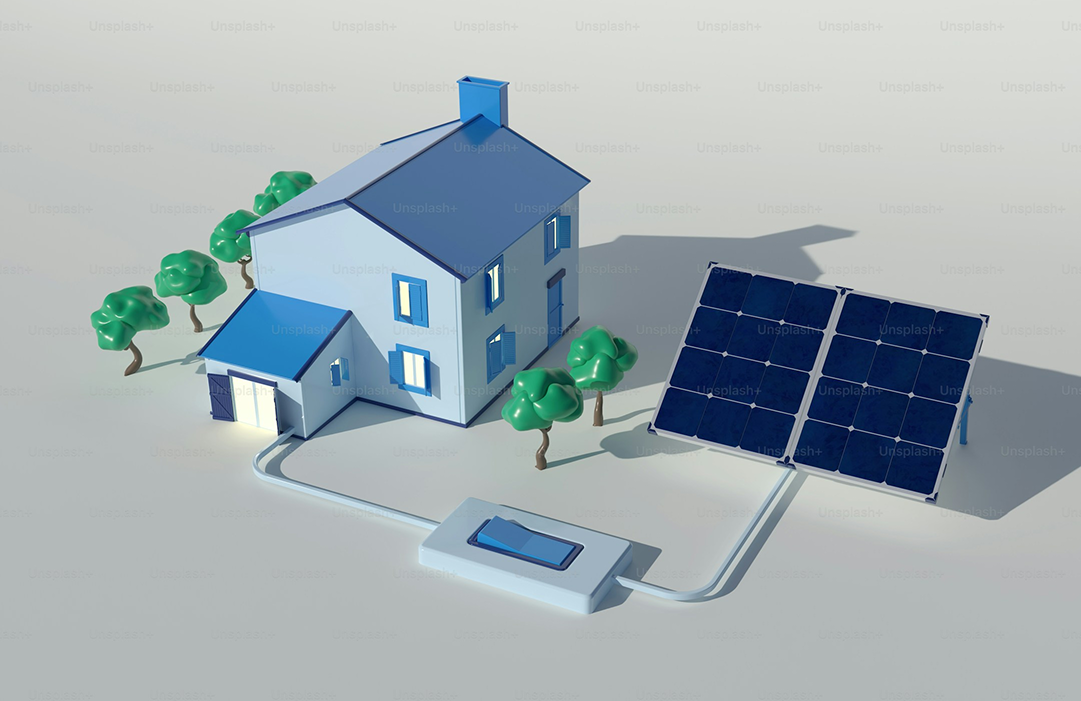
From consumption to participation
For a century the household has been a price-taker. You consumed what the meter recorded, and you paid the supplier's tariff. That was the entire economic relationship.
Bidirectional energy ends that relationship. A household with a V2H-capable EV, a connected battery and an intelligent heat pump can now buy at off-peak prices, sell at peak prices, and stack revenue across several layered markets at the same time.
The two-way flow, in practice
On a typical weekday, AmpVerve's optimisation engine forecasts the price curve for the next 36 hours, allocates charge into the cheap windows, schedules controllable loads to follow solar production, and dispatches the battery and vehicle to discharge during the peak.
The same fleet then participates in distribution-flexibility markets when the network is constrained, in capacity markets when committed in advance, and in balancing markets when grid frequency excursions occur.
What changes for the homeowner
Cost per kWh is no longer a fixed number. It becomes a function of when the energy is consumed and what else is happening on the grid. A skilled orchestration layer turns that complexity into a predictable, monthly cash flow.
The homeowner does not need to understand any of it. They need to plug things in, trust the system, and watch the Friday Receipt come in.
Energy assets that earn, not just consume.
The household of 2030 will not pay an energy bill in the way we know it today. It will operate a small portfolio of dispatchable assets, settle weekly with a verifiable receipt, and treat its grid relationship as an asset class.
Request the full white paper.
Our research team publishes detailed white papers on every topic we cover. Get the full PDF emailed to you with data sources, models and assumptions.
Request the white paper →